
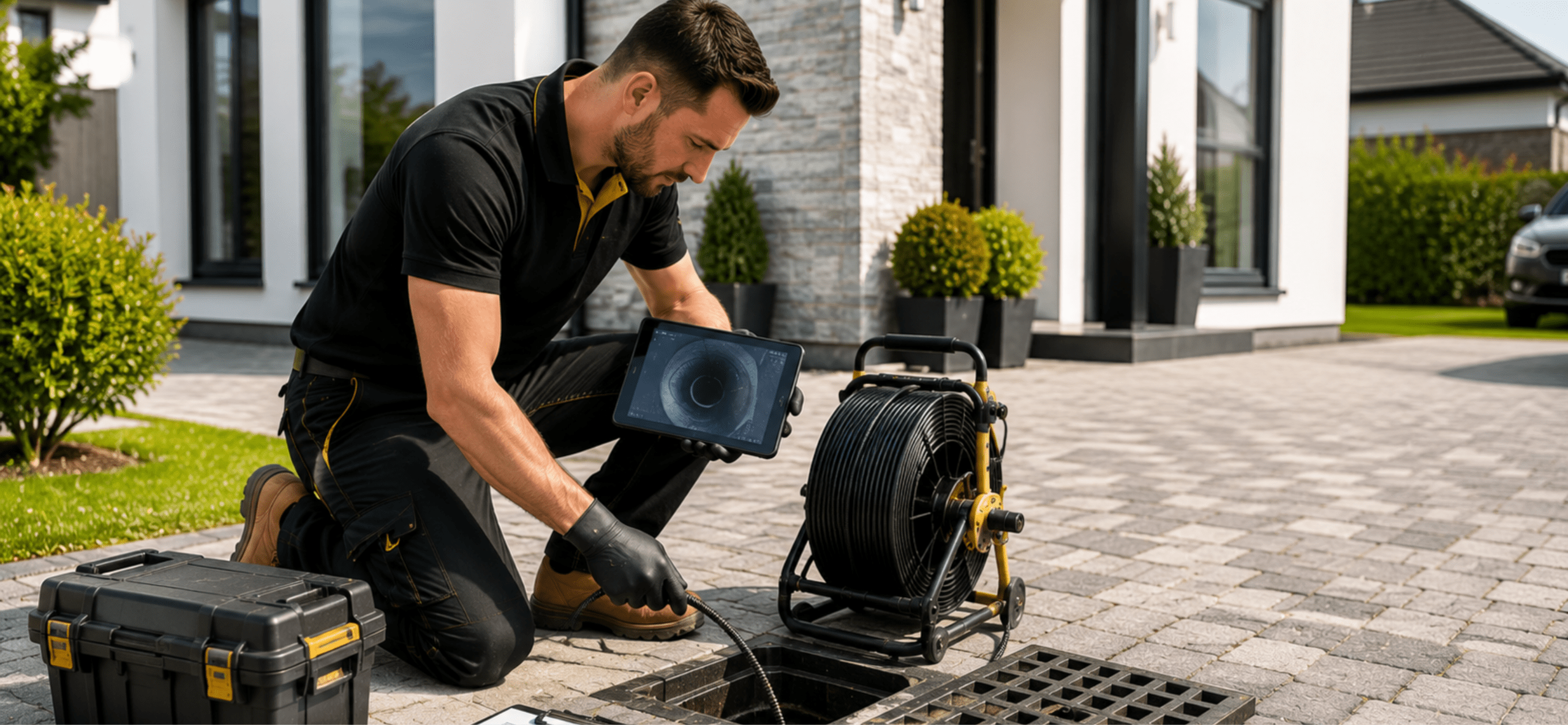
There is an unmistakable moment when you realise your drain is not going to sort itself out. The water level in the sink just sits there. The shower tray fills up faster than it empties. Or worse – there is a smell coming from somewhere you cannot quite place, and it is getting stronger by the day.
If any of that sounds familiar, you are not alone. Blocked drains in Dublin are one of the most common call-outs for plumbers right across the city, from Rathfarnham to Raheny and everywhere in between. The good news is that professional drain clearing is a straightforward process when you know what to expect – and getting it sorted quickly is almost always better than waiting to see if the problem disappears on its own (it rarely does).
This guide walks you through every stage of the process, from the moment you pick up the phone to the moment your drains are running freely again.
Why Blocked Drains Deserve Prompt Attention?
Drains do a job most of us take for granted – they quietly remove contaminated, dirty, and excess water from your home around the clock. The moment that system slows down or stops, the problems compound quickly.
A slow drain today can become a fully blocked drain tomorrow. And a blocked drain left unaddressed can lead to water backing up into the property, foul odours spreading through rooms, and in serious cases, stagnant water sitting in your pipework – which is both a hygiene issue and a structural risk over time.
The most important thing to understand is this: the longer you leave it, the worse it tends to get, and the more complicated the fix becomes. Calling a professional plumber in Dublin when you first notice the signs is almost always the right call.
Signs You Have a Blocked Drain in Dublin
Before we get into the process, here are the warning signs most Dublin homeowners notice before they book a drain clearing visit:
- Water draining slowly in sinks, showers, or baths
- Gurgling sounds coming from drains or toilets
- Unpleasant smells rising from plug holes
- Water pooling around outdoor drains
- Multiple drains in the house running slowly at the same time
- Toilet water rising higher than normal when flushed
Even one of these signs is worth acting on. More than one happening simultaneously often points to a blockage further down the drainage system rather than just a surface-level clog.
Step 1 – Call and Schedule Your Visit
The process starts with a conversation when you call DeWAR Plumbers. You describe what you are experiencing – which drain is affected, how long it has been happening, and whether there are any other symptoms – and the team arranges a convenient time for a plumber to visit.
DeWAR Plumbers cover every corner of Dublin. Whether you need a plumber in North County Dublin or a visit to a property in South County Dublin, the same directly employed team handles every job. This matters because it means consistent workmanship and a team that is accountable for the standard of their work – not a revolving door of subcontractors.
You can book online or call directly on 015143300 to speak to someone straight away.
Step 2 – Assessment on Arrival
A good plumber does not arrive and immediately starts poking around with a rod. The first thing a professional does is assess.
This involves determining where the blockage is, figuring out if it’s just at a single drain or if it’s affecting several points in the property, looking for any obvious signs of pipe damage and asking a few quick questions about what you’ve seen. Has the problem been building gradually? Did it appear suddenly? Have you tried anything to clear it yourself?
This assessment stage shapes everything that follows. A blocked kitchen sink caused by grease and food debris is a very different job to an outdoor drain blocked by root intrusion. Treating them the same way would waste time and potentially miss the real cause entirely.
Step 3 – Clearing the Drain
This is the main part of the job, and it is where a professional visit looks very different to a DIY attempt with a plunger.
DeWAR Plumbers uses proper drainage equipment- the kind that deals with blockages that have been building for months or that sit well beyond where a household tool can reach.
-
Drain Rods
For blockages that are accessible and not too compacted, flexible rods are fed into the drain to break up or shift the obstruction. Effective for many straightforward jobs.
-
High-Pressure Water Jetting
A powerful jet of water is pushed through the pipe at pressure, breaking apart grease, hair, soap residue, food debris, and anything else that has built up on the pipe walls. The blockage does not just get moved- it gets flushed out of the system entirely. This works particularly well in kitchen drains where years of cooking fat have coated the inside of the pipe.
-
CCTV Camera Inspection
For jobs where the cause is not clear, or where the same drain keeps blocking, a small camera goes into the pipe. The plumber can see in real time exactly what is there and exactly where the problem sits. No guessing, no trial and error.
The work covers every drain type- blocked sinks, shower drains, bathroom basins, toilets, and outdoor drainage systems. Any drain in the property can become blocked, and the right equipment handles all of them.
Step 4 – If Parts Are Needed
Many drain clearing jobs need nothing more than the clearing itself. But sometimes the inspection turns up something else- a cracked pipe section, a trap that has failed, a joint that has come apart.
If any parts are needed to complete the job properly, the plumber tells you what is required and gives you the cost before anything is ordered. You are not handed a bill at the end for work you did not agree to.
If other issues come up during the visit- a leak connected to the drainwork, or a heating system that needs a power flush– those can be discussed on the spot and added to the same visit if you want them dealt with at the same time.
Step 5 – After the Job: Advice and Prevention
Once the drain is running properly again, the plumber will tell you what caused the problem and what you can do to avoid a repeat.
A few habits that make a real difference:
- Put a drain cover or hair trap in showers and bath drains- it catches debris before it enters the pipe
- Do not pour fat, oil, or cooking grease down the kitchen sink– let it cool and put it in the bin
- Run hot water down the kitchen drain every week or so to prevent grease from building up
- Clear leaves and soil away from outdoor drains before autumn sets in
- If the property has older pipes or has had repeated blockages, a check every year or two is worth doing
What About Emergency Drain Clearing in Dublin?
Not every blocked drain is a slow-burn problem. Sometimes a drain backs up suddenly – during a dinner party, after heavy rain, or at the worst possible moment. For situations like that, having access to an emergency plumber in Dublin makes all the difference.
DeWAR Plumbers respond to urgent call-outs across all Dublin postal districts, including Dublin 4, Dublin 9, Dublin 15, and beyond. The full list of areas covered is available at dewarplumbers.ie.
Conclusion
A blocked drain in Dublin is not a problem that tends to improve on its own. But it is also not something that needs to cause significant stress. The process of professional drain clearing is well-structured, transparent, and in most cases resolved in a single visit.
From the initial assessment to the clearing work and any repairs that may be required afterwards, a professional plumber has the tools, techniques and experience to get your drainage system working properly again – and to help you to keep it that way. If you have a blocked drain or slow drainage anywhere in Dublin, DeWAR Plumbers are ready to help. Call 015143300 or visit dewarplumbers.ie to book your drain clearing visit today.
FAQs
1. How much does it cost to unblock a drain in Dublin?
The cost of unblocking a drain in Dublin depends on the severity and location of the blockage. DeWAR Plumbers charges for the first hour of labour, with any additional time billed at an hourly rate thereafter. If parts are required, the plumber will always confirm the price with you before proceeding. There are no hidden charges – everything is explained upfront before the work begins.
2. How do I know if my drain is blocked or if it is a bigger plumbing problem?
If only one drain is affected, the blockage is likely localised to that specific pipe or trap. If multiple drains across the property are draining slowly or showing signs of backing up at the same time, the problem is likely deeper in the drainage system. A professional inspection will confirm the cause and location quickly, without guesswork.
3. Can a plumber unblock a drain the same day in Dublin?
In many cases, yes. DeWAR Plumbers handles both scheduled visits and urgent call-outs across Dublin. If you have a significant blockage causing water to back up or overflow, calling 015143300 directly is the fastest way to arrange a same-day visit.
4. Is it safe to use chemical drain unblockers before calling a plumber?
Chemical drain cleaners can help with very minor surface blockages but rarely clear a significant clog. They can also damage older or plastic pipework with repeated use and present a safety risk for the plumber who then needs to work on the same drain. If a chemical product has not worked after one attempt, call a professional rather than applying more.
5. What areas of Dublin do DeWAR Plumbers cover for drain clearing?
DeWAR Plumbers covers every postal district from D1 to D24, as well as North and South County Dublin. You can check your specific area on the website or call 015143300 to confirm availability. The team operates out of Swords Enterprise Park and covers the full greater Dublin area daily.

- Why Does Your Tap Keep Dripping After You Turn It Off? - September 16, 2026
- Oil Boiler Repair Dublin: 10 Warning Signs You Shouldn’t Ignore - September 11, 2026
- Underfloor Heating Leak Detection: How Plumbers Find Leaks Without Ripping Up Your Floor? - September 1, 2026