Heating bills in Dublin have been climbing steadily, and more homeowners are looking beyond the traditional gas or oil boiler. Heat pump installation is one of the most talked-about upgrades right now -but for many people, the technology still feels unclear. How does a machine pull heat from cold Irish air and use it to warm your home? This guide breaks it down in plain language.
What Is a Heat Pump and How Does It Work?
The easiest way to understand a heat pump is to think of your fridge -just working in reverse. Your fridge pulls heat from inside and pushes it out the back. A heat pump does the opposite: it pulls heat energy from the outside air or the ground and transfers it into your home’s heating system.
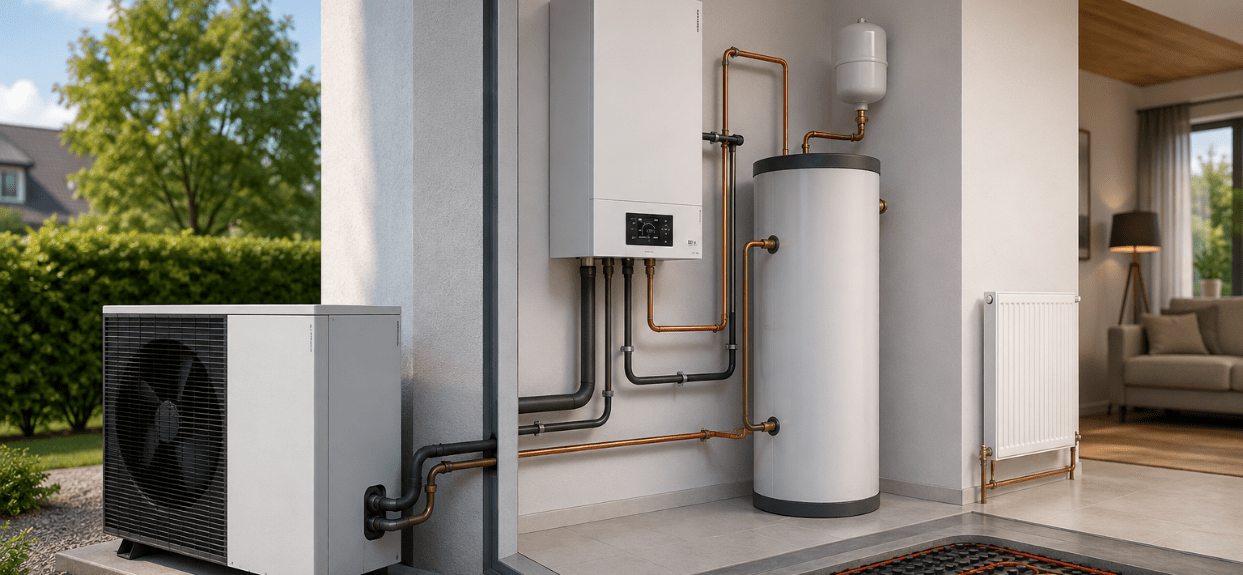
Even on a cold Dublin morning, there is still usable thermal energy in the air. A heat pump system extracts that energy using a refrigerant, compresses it to raise the temperature, and circulates the heat through your radiators or underfloor heating. The result is a system that typically produces three to four units of heat for every one unit of electricity it uses -making it one of the most energy-efficient heating options available to Dublin homeowners today.
Air Source vs Ground Source
There are two main types suited to Dublin properties.
Air source heat pumps are the more common choice for existing homes. An outdoor unit sits outside the property and absorbs heat from the ambient air. These are easier to install and generally less disruptive, making them a practical option for retrofitting older Dublin houses.
Ground source heat pumps involve burying pipes in the garden to extract heat from the earth. They tend to be more efficient but require more space and more extensive groundwork to install.
For most Dublin homeowners -particularly those in terraced or semi-detached homes across postcodes like D6, D12, or D15 -an air source heat pump is the more realistic starting point.
Does Your Heating System Matter?
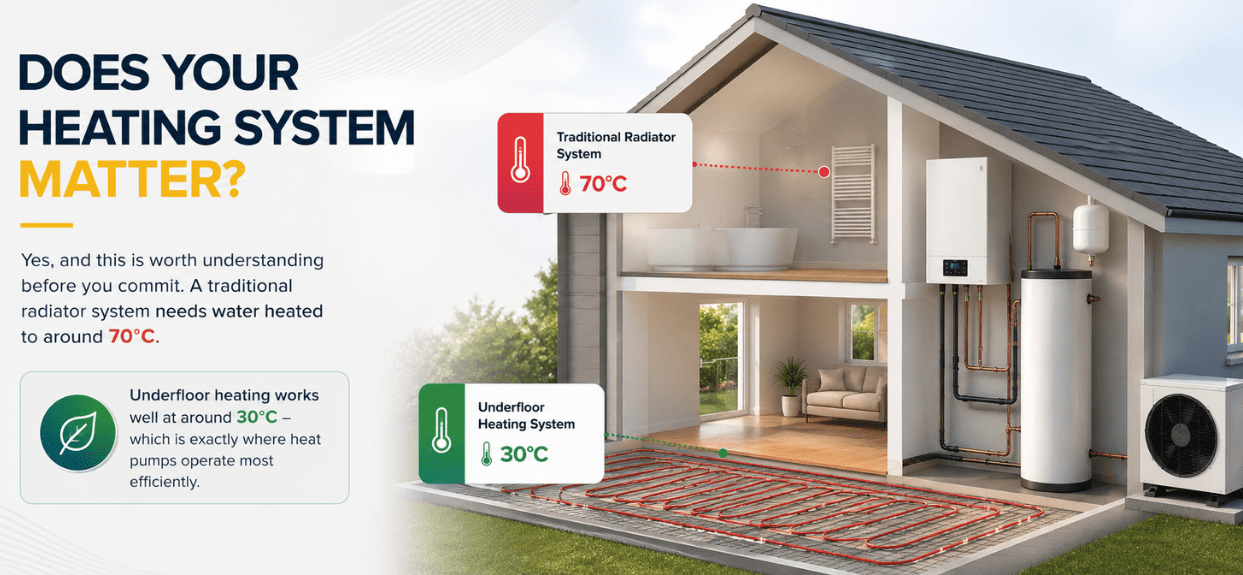
Yes, and this is worth understanding before you commit. A traditional radiator system needs water heated to around 70°C. Underfloor heating works well at around 30°C -which is exactly where heat pumps operate most efficiently.
If your home already has underfloor heating, a heat pump installation will integrate smoothly. If you rely on standard radiators, you may need to upgrade to larger panels to compensate for lower flow temperatures. A good installer will walk you through what’s required for your specific setup.
The Viessmann heat pumps supplied and installed by DeWAR Plumbers are engineered for both new builds and modernisation projects, so there is flexibility regardless of what’s already in place.
Is Your Dublin Home Suitable?
Heat pumps work best in well insulated properties. If your home has high heat loss thru walls or the roof, the system has to work harder and efficiency will suffer. It’s worth having your insulation levels assessed before proceeding.
The SEAI offers grants for heat pump retrofits on homes built before 2011, provided the property is considered “heat pump ready.” This support can make switching to a renewable heating system in Dublin much more accessible.
Good candidates generally include homes with existing or planned underfloor heating, adequate outdoor space for an air source unit, and reasonable insulation levels. The DeWAR Plumbers heat pump service can help assess whether your home qualifies.
The Key Benefits for Dublin Homeowners
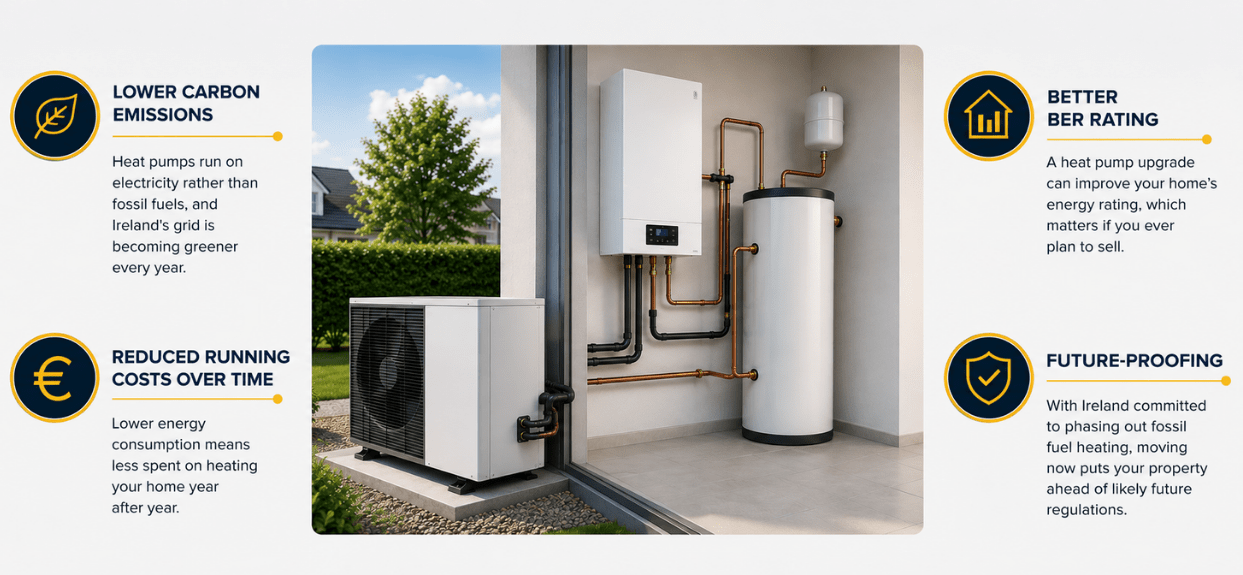
Switching to a heat pump heating system brings several practical advantages:
- Lower carbon emissions -Heat pumps run on electricity rather than fossil fuels, and Ireland’s grid is becoming greener every year
- Reduced running costs over time -Lower energy consumption means less spent on heating your home year after year
- Better BER rating -A heat pump upgrade can improve your home’s energy rating, which matters if you ever plan to sell
- Future-proofing -With Ireland committed to phasing out fossil fuel heating, moving now puts your property ahead of likely future regulations
Getting It Installed Properly in Dublin
A poorly installed heat pump won’t perform anywhere near its rated efficiency. DeWAR Plumbers are accredited and awarded heat pump installers in Dublin, covering all postcodes from North County Dublin to South County Dublin. The team holds RGII registration (CO572), Safe Electric accreditation, and is a certified Viessmann installer. All staff are directly employed and locally based -no subcontractors, no surprises.
Call 015143300 to discuss your options or visit dewarplumbers.ie to book a consultation.
Conclusion
Heat pumps are a practical, future-ready heating solution for many Dublin homes -especially as insulation standards improve and SEAI grant support makes the switch more accessible. Understanding how they work and choosing an accredited local installer are the two things that will determine whether the switch pays off for you. Whether you’re comparing options against a gas boiler service or an electric boiler, it’s worth getting proper advice from someone who knows Dublin properties inside out.
FAQs
1. Do heat pumps work in cold Irish weather?
Yes. Modern air source heat pumps are designed to operate effectively even when outdoor temperatures drop to around -15°C. Dublin’s mild climate is actually well-suited to the technology, and efficiency remains practical throughout an Irish winter.
2. Can I get a grant for heat pump installation in Dublin?
The SEAI offers grants toward the cost of a heat pump retrofit for homes built before 2011 that meet the required insulation standards. An SEAI-registered assessor can confirm whether your property qualifies and guide you through the application process.
3. Do I need underfloor heating for a heat pump to work?
Not necessarily, but it helps. Heat pump systems work at lower flow temperatures than boilers, so standard radiators may need to be upgraded to larger panels. A qualified installer can assess your current setup and advise accordingly.
4. How long does a heat pump last?
A well-maintained heat pump system typically lasts between 15 and 20 years. Viessmann units are built for durability and come with manufacturer warranties. Regular servicing keeps efficiency high and extends the lifespan of the unit.
5. How do I know if my Dublin home is heat pump ready?
The key factors are insulation quality, available outdoor space, and your existing heating distribution system. DeWAR Plumbers can carry out an assessment and advise on any upgrades needed before heat pump installation goes ahead.

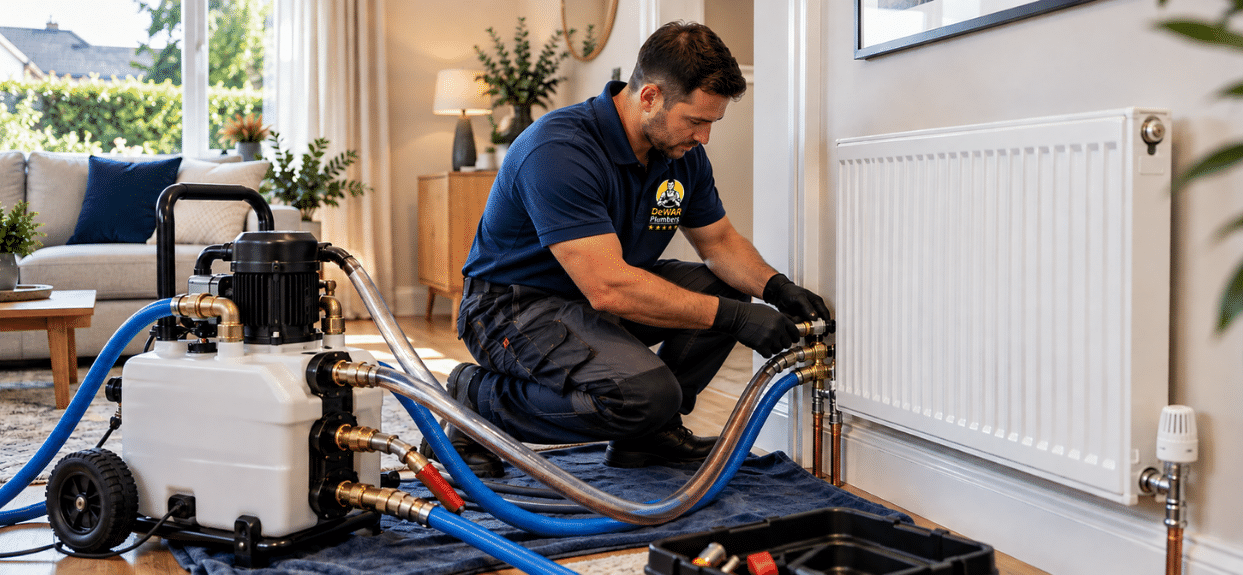
- How Does Power Flushing Improve Radiator Performance and Heating Efficiency? - October 15, 2026
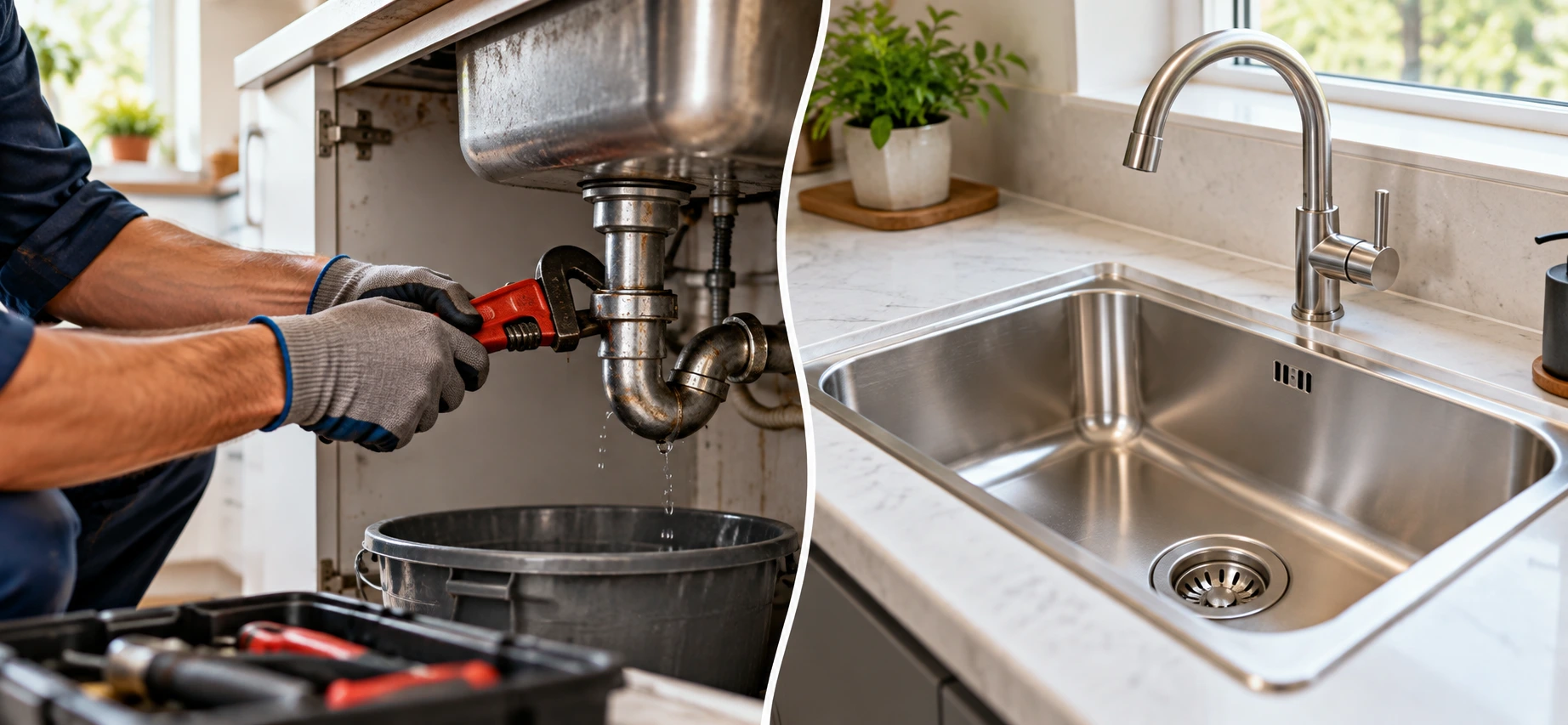
- Sink Drain Repair in Dublin: When Is a Repair Better Than Replacement? - October 8, 2026
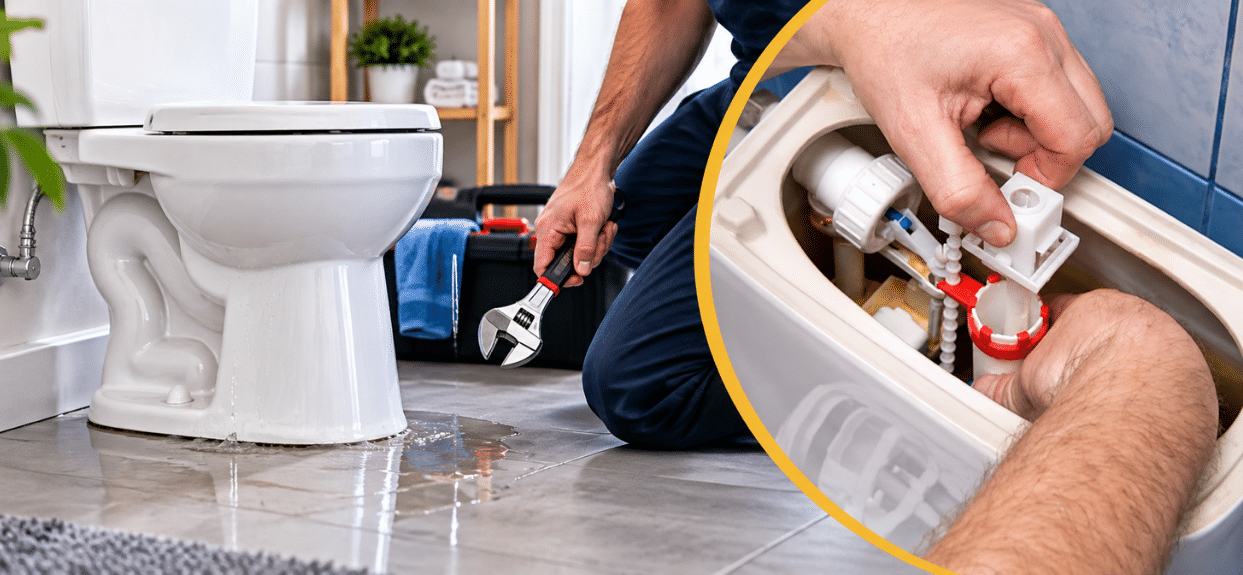
- Toilet Leaking at the Base: When You Need Toilet Repair in Dublin? - September 22, 2026